Paul Morello
Seasonal pricing is the practice of adjusting your prices to match predictable swings in demand across the year — raising them when demand peaks and using discounts to drive volume when it dips. The holiday season is its highest-stakes moment: Black Friday through Christmas concentrates a huge share of annual sales into a few weeks, when both demand and competition run hottest. After fifteen years pricing products through peak seasons, I can tell you the retailers who win the holidays don’t improvise in November — they plan the pricing months ahead.
This guide covers what seasonal pricing is, real examples, the strategies that work for holidays and peak seasons, and how to get it right.
What you’ll find in this guide
- What is seasonal pricing?
- Seasonal pricing examples
- Holiday & seasonal pricing strategies
- Black Friday & peak-season pricing
- How to get seasonal pricing right
- Frequently asked questions
What is seasonal pricing?
Seasonal pricing is a strategy where prices change in line with seasonal demand rather than staying flat all year. When demand is high — the winter holidays, summer travel, back-to-school — prices can rise or discounts shrink; when demand falls, strategic price cuts move stock and keep sales flowing. It’s a form of demand-based pricing applied to the calendar, and every retailer already lives it, whether deliberately or not. The difference between the businesses that profit from seasons and those that just survive them is whether the pricing is planned.
Seasonal pricing examples
Seasonal pricing is everywhere once you look at the calendar:
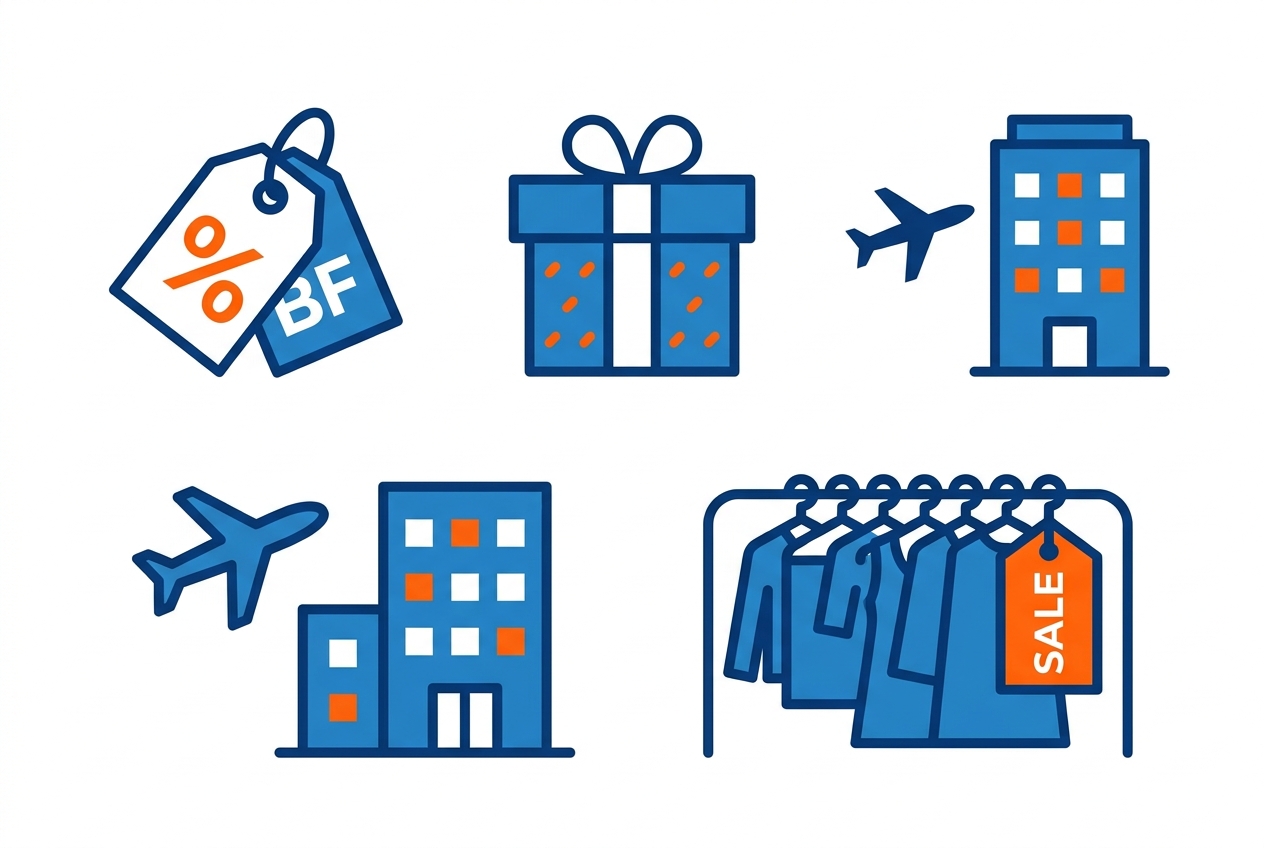
- Retail holidays — Black Friday, Cyber Monday, and Christmas bring deep, competitive discounting to win a spike in shopping intent.
- Travel & hospitality — airlines and hotels raise rates in peak season and school holidays, then drop them off-peak; Airbnb hosts price weekends and events higher.
- Fashion — end-of-season sales clear stock to make room for the next collection, a predictable annual markdown.
- Seasonal goods — everything from garden furniture to winter coats peaks and troughs on a yearly cycle, with prices to match.
Holiday & seasonal pricing strategies
Peak season rewards a handful of tactics done well. The ones that consistently pay off:
Several of these lean on tactics worth understanding in their own right — dynamic pricing for the automatic adjustments, bundle pricing for gift packages, and the wider set in our guide to ecommerce pricing strategies.
Black Friday & peak-season pricing
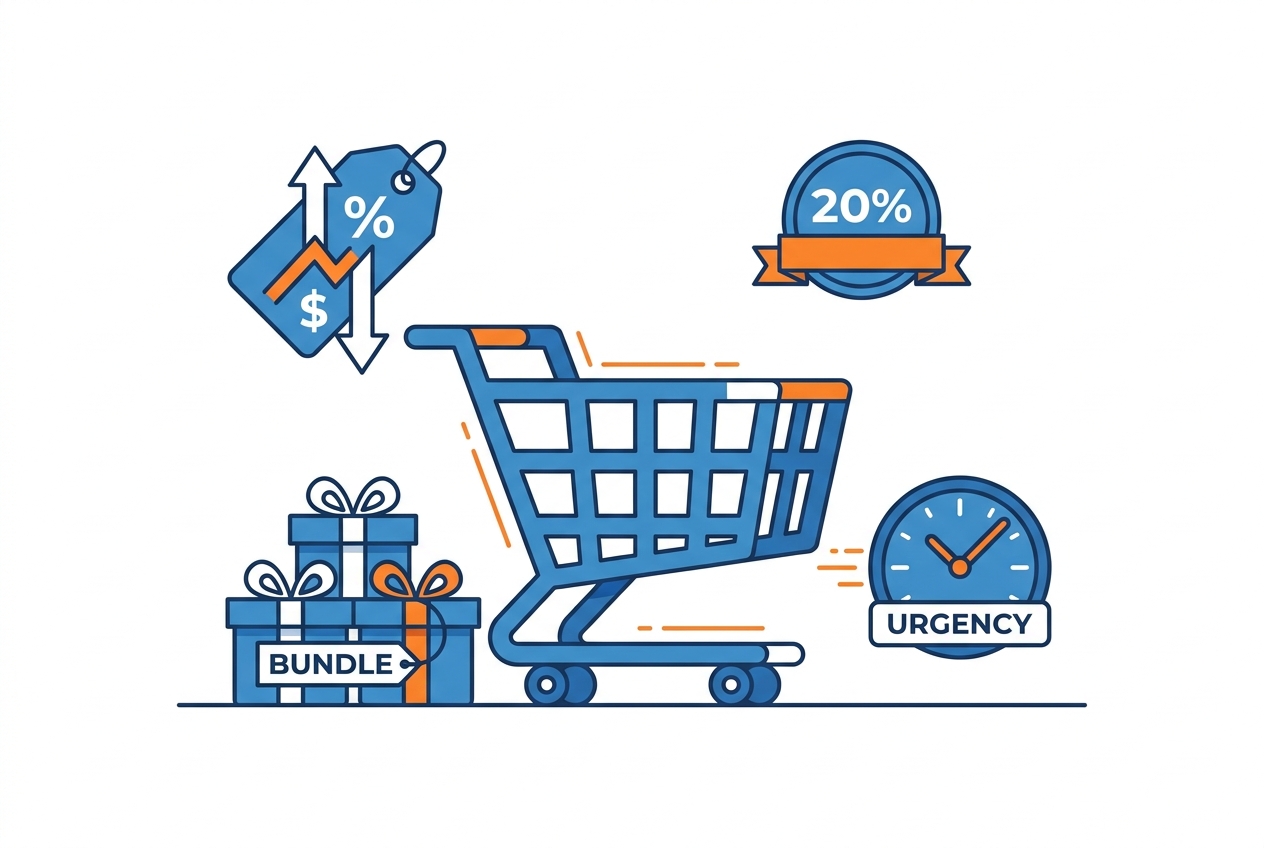
Black Friday and Cyber Monday are the ultimate stress test of a pricing strategy: demand, discounting, and competitor activity all peak at once, and prices can change by the hour. Two rules keep it profitable. First, plan the discounts, don’t panic them — decide in advance which products you’ll promote and how deep you’ll go, so you’re not slashing margin reactively. Second, watch the competition in real time, because a static price during the busiest shopping days of the year is a price you’re guaranteed to get wrong. This is exactly when competitor price monitoring earns its keep — it tells you where rivals have moved so you can respond within your margins instead of blindly matching.
How to get seasonal pricing right
Whatever the season, the same discipline applies:
- Plan ahead. Map the season’s key dates and decide your pricing before demand arrives, not during it.
- Protect your floor. Set the lowest price you’ll go to and don’t let a discount war drag you below it.
- Monitor competitors continuously. Peak-season prices move fast; automated monitoring keeps you current.
- Adjust automatically. Let dynamic pricing software handle the repricing so you can focus on strategy, not manual updates.
- Review afterwards. Analyse what worked so next season starts from evidence.
Grounding all of it in live market data is the job of price intelligence — the difference between pricing the season on a plan and pricing it on a hunch.
Frequently asked questions
What is seasonal pricing?
Seasonal pricing is adjusting prices to match predictable changes in demand across the year — raising prices or trimming discounts in peak seasons like the holidays, and using strategic cuts to drive volume when demand is low.
What is an example of seasonal pricing?
Black Friday and Christmas discounting in retail, higher hotel and airline rates in peak travel season, and end-of-season fashion sales are all classic examples of seasonal pricing.
What are the best holiday pricing strategies?
Dynamic pricing, strategic (not blanket) discounts, bundling gift-friendly items, loss leaders to drive traffic, urgency and scarcity cues, and upselling — all planned ahead and backed by real-time competitor monitoring.
How should I price for Black Friday?
Decide your promoted products and discount depth in advance, protect a margin floor, and monitor competitor prices in real time so you can respond deliberately rather than reactively during the busiest days of the year.
The businesses that win the season plan their pricing and watch the market as it moves. When you’re ready to track competitor prices through your busiest weeks, price monitoring software keeps that picture in front of you in real time.