



How to Sell on eBay: Step-by-Step Guide (2026)
How to sell on eBay step by step: setting up, creating listings that rank, eBay fees explained, what to sell, and how to scale from first sale to business.

Price Index: Meaning, Formula & How to Calculate It (2026)
What a price index is, the price index formula with step-by-step examples, CPI vs PPI, and how retailers use PI to position prices against competitors.

Product Catalog: What It Is & How to Manage One (2026)
What a product catalog is, what goes into one, catalog vs feed vs PIM, and the management practices that keep thousands of SKUs accurate across every channel.
The 14 Best Competitive Pricing Tools in 2026
We compared the 14 best competitive pricing tools of 2026 — free and paid — by starting price, AI features and use case: ecommerce, Amazon, B2B and MAP.

Automated Pricing: What It Is & How Repricing Works (2026)
Automated pricing (repricing) explained: the monitor-decide-execute loop, rules vs algorithms, strategies that hold up, and the guardrails that protect margin.
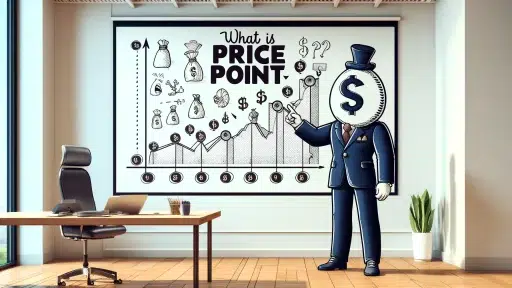
Price Point: Definition, Examples & How to Set Yours (2026)
What a price point is, how to determine yours in 4 steps, price point analysis methods, real examples across industries, and opening vs low vs high tiers.
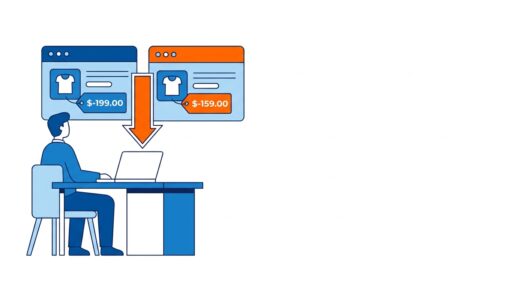
Amazon Price Matching & Price Adjustments: How It Works (2026)
Does Amazon price match? Not officially — but you can still get price adjustments. How Amazon price matching and adjustments work, plus who price matches Amazon.

Amazon SEO & Listing Optimization: The Complete Guide (2026)
Amazon SEO explained: how ranking works, keyword research, titles, bullets, backend terms, images — plus the price and Buy Box signals most guides skip.
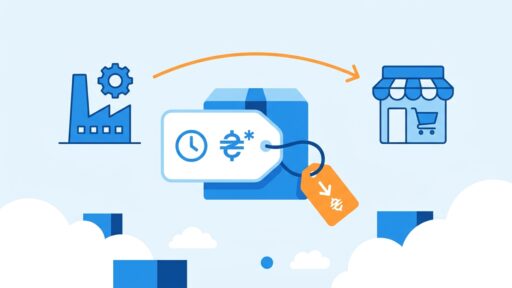
What Is RRP (Recommended Retail Price)? Meaning, Formula & Examples (2026)
RRP means Recommended Retail Price — the price a manufacturer suggests retailers charge. Learn what RRP means, how to calculate it, and RRP vs MSRP.

MAP Pricing: The Complete Guide to Minimum Advertised Price (2026)
MAP pricing explained: what minimum advertised price means, how a MAP policy works, MAP vs MSRP, US/EU legality, and how brands monitor and enforce the floor.