Paul Morello
RRP stands for Recommended Retail Price — the price a manufacturer suggests retailers sell a product for. It’s a benchmark, not a rule: retailers are free to sell above or (more often) below it, which is exactly why the RRP matters. It sets the reference point customers judge every “deal” against, and it shapes how a brand is positioned. After fifteen years setting prices in retail and ecommerce, I’ve learned the RRP is less a number the manufacturer dictates and more a signal everyone downstream negotiates around.
This guide covers what RRP means, how it differs from the actual retail price, RRP versus MSRP and its other cousins, how to calculate an RRP, and how to use it in your pricing.
What you’ll find in this guide
- What does RRP mean?
- RRP vs. retail price: the difference that matters
- RRP vs. MSRP vs. SRP vs. list price
- How to calculate RRP
- How to use RRP in your ecommerce pricing
- Frequently asked questions
What does RRP mean?
RRP is short for Recommended Retail Price — the price a manufacturer or brand recommends that retailers charge the end customer. It’s typically set higher than the street price, because retailers routinely discount beneath it to compete. That gap is the point: the RRP gives shoppers a reference for judging value (“30% off RRP”) and gives the brand a way to protect its positioning across every store that stocks it.
The term is most common in the UK, Europe, and Australia; in the US you’ll more often hear MSRP (more on that below). Whatever it’s called, the RRP does three jobs: it anchors customer perception of value, it signals where a product sits in the market, and it gives a manufacturer a lever to keep pricing consistent across resellers.
RRP vs. retail price: the difference that matters
People use “RRP” and “retail price” interchangeably, but they’re not the same thing, and the gap between them is where margin lives.
The retail price is what a customer actually pays at checkout — the real, current selling price. The RRP is only what the manufacturer recommends that price should be. A product with a £100 RRP might sell for £79 at one retailer and £85 at another; both are the retail price, neither is the RRP. Think of the RRP as the sticker price and the retail price as the transaction price. Understanding which one you’re looking at — and how far your actual selling price sits below RRP — is the first step to pricing deliberately rather than by habit.

RRP vs. MSRP vs. SRP vs. list price
RRP has a family of near-synonyms, and knowing which is which keeps you from getting your pricing terms in a twist. They all describe a recommended price, with regional and contextual shading.
The practical takeaway: RRP and MSRP are the same concept under different regional names, SRP is a catch-all, and list price is the published figure you discount from. None of them is what the customer necessarily pays.
How to calculate RRP
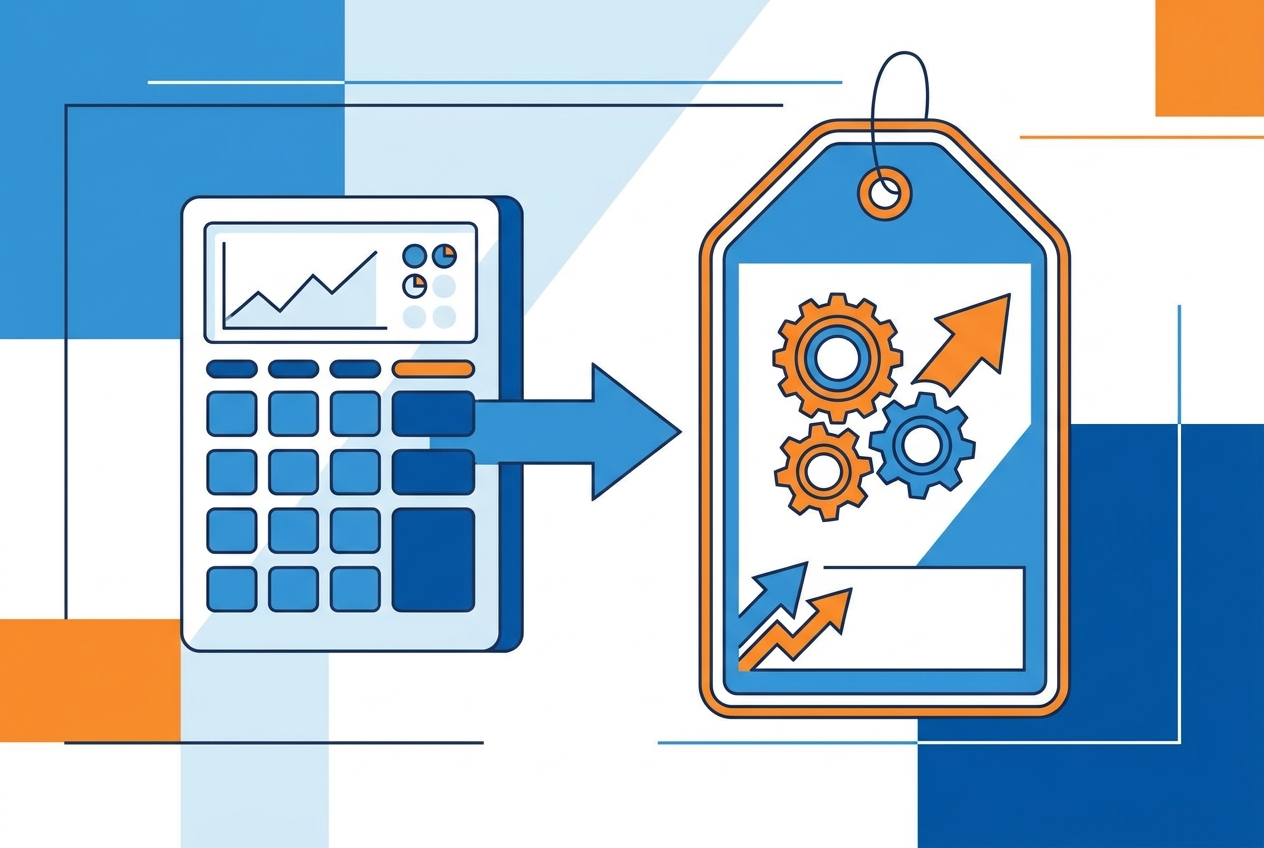
There’s no single official formula — a manufacturer weighs production cost, the margin resellers need, competitor pricing, and brand positioning. But a useful starting point works back from cost and the retailer’s markup:
RRP = (cost of goods + desired manufacturer margin) ÷ (1 − retailer markup %)
Say a product costs $50 to make, you want a $10 margin, and retailers typically mark up by 50%. Then RRP = ($50 + $10) ÷ (1 − 0.5) = $120. That’s a floor to react to, not a final answer — you still season it with competitor research and demand, because the market, not the spreadsheet, decides what will actually sell.
It’s worth remembering why getting this right pays off: McKinsey’s pricing research has long found that a 1% improvement in price can lift operating profit by around 8%, more than an equivalent gain in volume or cost. The RRP is one of the levers behind that number.
How to use RRP in your ecommerce pricing
For an online seller, the RRP is a reference to price against, not a price to blindly adopt. A few ways to put it to work:
- Anchor your discounts. Showing the RRP next to your lower price makes the saving legible — but only if the RRP is genuine. Inflated “was” prices erode trust and, in many markets, break the rules.
- Protect positioning with MAP. If you’re the brand, a Minimum Advertised Price alongside the RRP keeps resellers from racing to the bottom and cheapening the product.
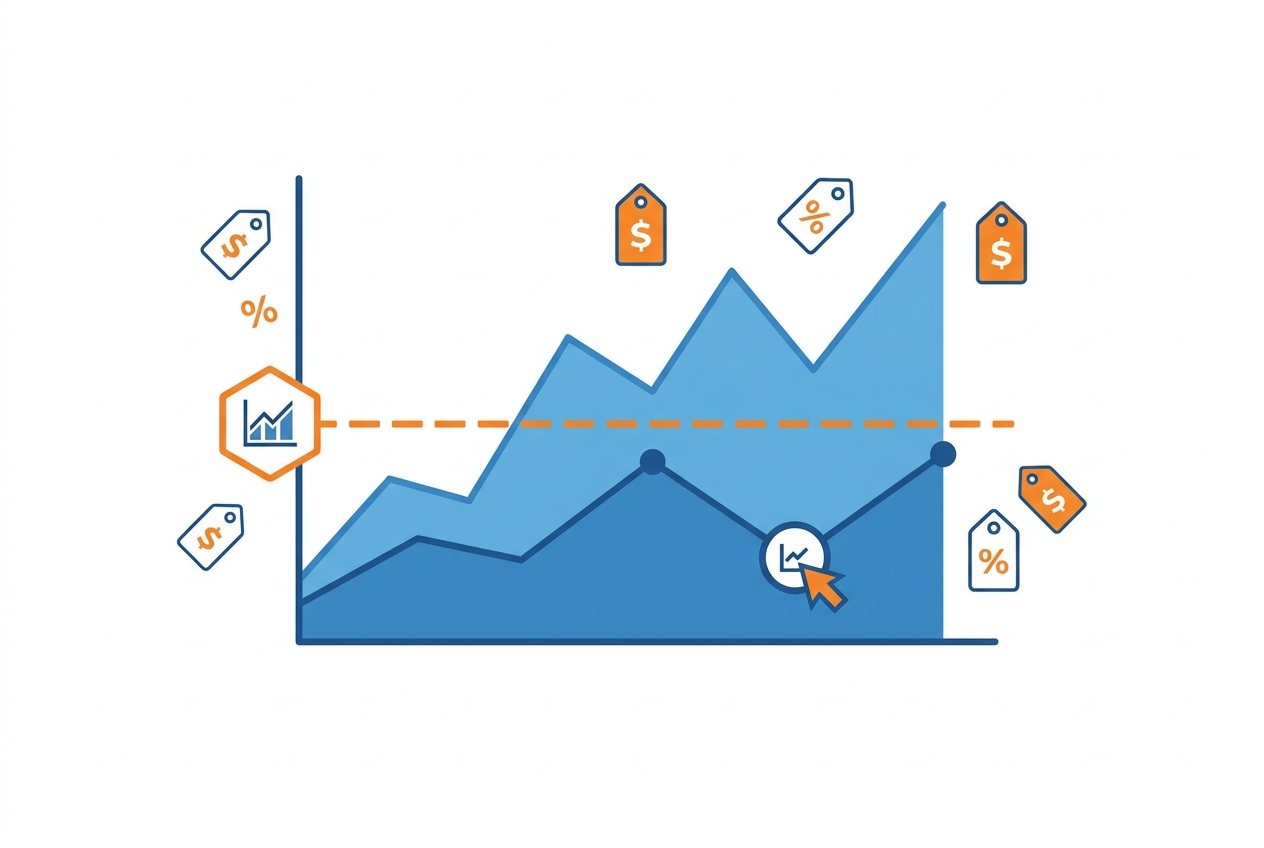
- Track how the market prices against RRP. The useful signal isn’t the RRP itself — it’s how far competitors are selling below it right now. That’s why sellers monitor competitor prices continuously instead of checking by hand.
- Reprice deliberately. Once you know where the market sits relative to RRP, dynamic pricing lets you hold the right distance below it automatically, within the margins you set.
Used well, the RRP stops being a number on a tag and becomes a reference point you price around with intent — the difference between reacting to the market and being run by it. Feeding that with live data is the job of price intelligence.
Frequently asked questions
What does RRP mean?
RRP stands for Recommended Retail Price — the price a manufacturer suggests retailers charge for a product. It’s a benchmark, not a binding price; retailers can sell above or below it.
What does RRP stand for?
RRP stands for “Recommended Retail Price.” It’s most common in the UK, Europe, and Australia; the US equivalent is MSRP (Manufacturer’s Suggested Retail Price).
Is RRP the same as the retail price?
No. The RRP is the price the manufacturer recommends; the retail price is what the customer actually pays, which is often lower because retailers discount beneath the RRP to compete.
What’s the difference between RRP and MSRP?
They mean the same thing — a manufacturer’s recommended selling price. “RRP” is the common term in the UK and Australia, while “MSRP” is used in the US.
How is RRP calculated?
There’s no fixed formula, but a common starting point is (cost of goods + desired margin) ÷ (1 − retailer markup %), then adjusted for competitor pricing, demand, and brand positioning.
However you set it, an RRP is only as useful as your view of the market it sits in. When you’d rather see — in real time — how every competitor is pricing against your RRP, price monitoring software keeps that picture in front of you.