Andrea Cramer
Price skimming is a pricing strategy where you launch a product at a high price and lower it over time. The goal is to “skim” the maximum revenue from each layer of the market in turn — starting with the early adopters who’ll pay a premium to be first, then dropping the price to reach more price-sensitive buyers as demand at the top cools. After fifteen years pricing products across retail and tech, I can tell you skimming is one of the most powerful launch strategies there is — and one of the easiest to misjudge if you drop too slowly or too late.
This guide covers what price skimming is, how it works, real examples, how it compares to penetration pricing, its advantages and disadvantages, and when to use it.
What you’ll find in this guide
- What is price skimming?
- How price skimming works
- Price skimming examples
- Price skimming vs. penetration pricing
- Advantages and disadvantages of price skimming
- When to use price skimming
- Frequently asked questions
What is price skimming?
Price skimming (also called market skimming) is a strategy of setting a high initial price for a new or innovative product and then gradually reducing it as the product matures. The high launch price captures the most from customers with the greatest willingness to pay, while the later reductions open the product up to broader, more price-sensitive segments. It’s most common where a product is genuinely new and hard to copy quickly — which is why you see it constantly in consumer electronics and tech.
How price skimming works
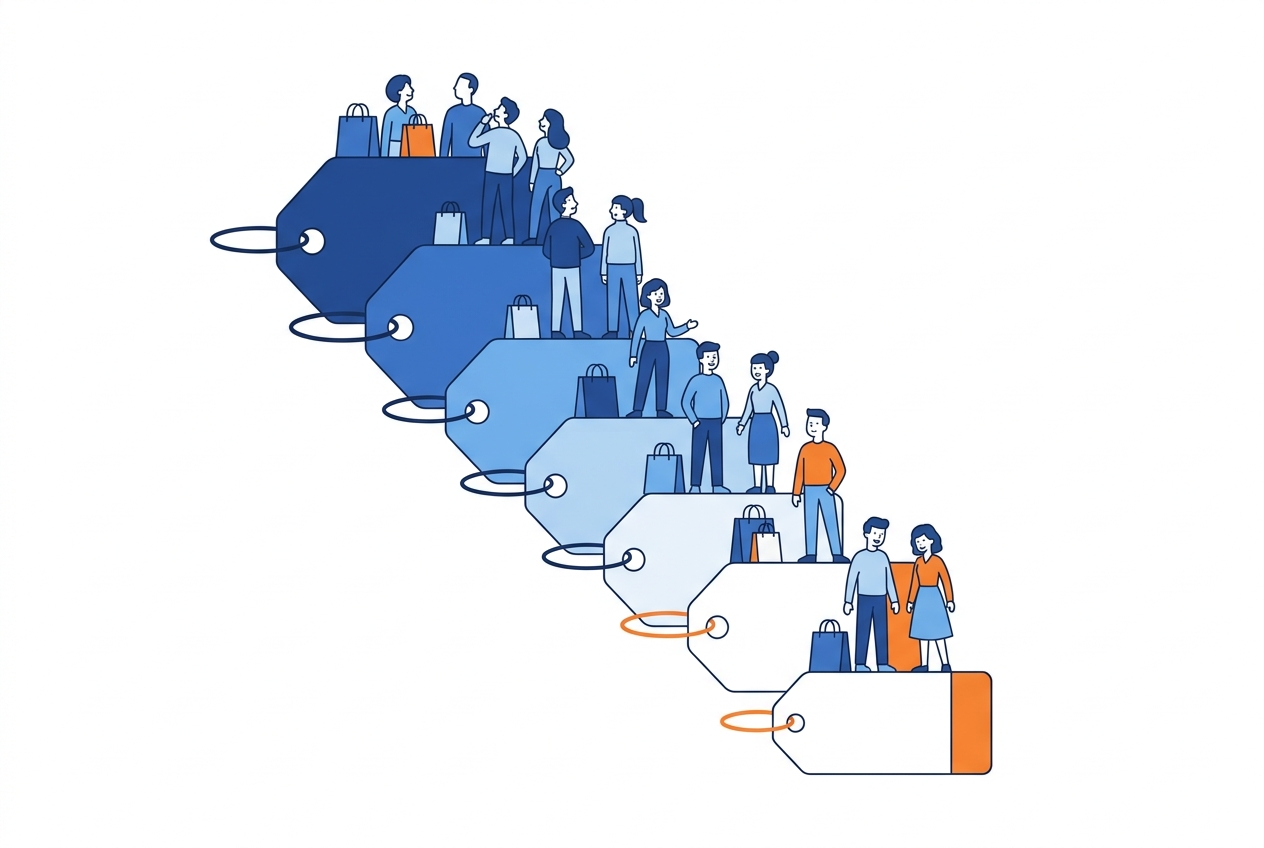
Skimming works by moving down the demand curve one segment at a time, capturing revenue at each level before dropping to the next.
- Capture the early adopters. At launch, the price is set high. Early adopters — the enthusiasts who want the latest thing first — happily pay a premium, letting you recover development costs quickly while competition is minimal.
- Broaden the base. Once sales to that first segment slow, you lower the price to attract the customers who wanted the product but were put off by the launch price.
- Reach the mass market. Further reductions bring in the price-sensitive majority, extending the product’s revenue life well beyond the launch window.
Done well, each price step matches a distinct group of buyers, so you extract close to what each segment was willing to pay rather than leaving that value on the table with a single flat price.
Price skimming examples
The strategy is easiest to recognise in products you already know:
- Apple iPhones. Each new model launches at a premium to capture tech enthusiasts, then effectively drops in price as newer models arrive and older ones are discounted.
- Games consoles. A new PlayStation or Xbox debuts high for the eager fanbase, then sees price cuts and bundles over its lifecycle to reach the mainstream.
- New gadgets and TVs. 4K and OLED televisions, VR headsets, and the like all launched expensive and fell steadily as production scaled and rivals appeared.
The common thread: a genuinely new product, an eager early audience, and enough of a head start that rivals can’t immediately undercut the launch price.
Price skimming vs. penetration pricing
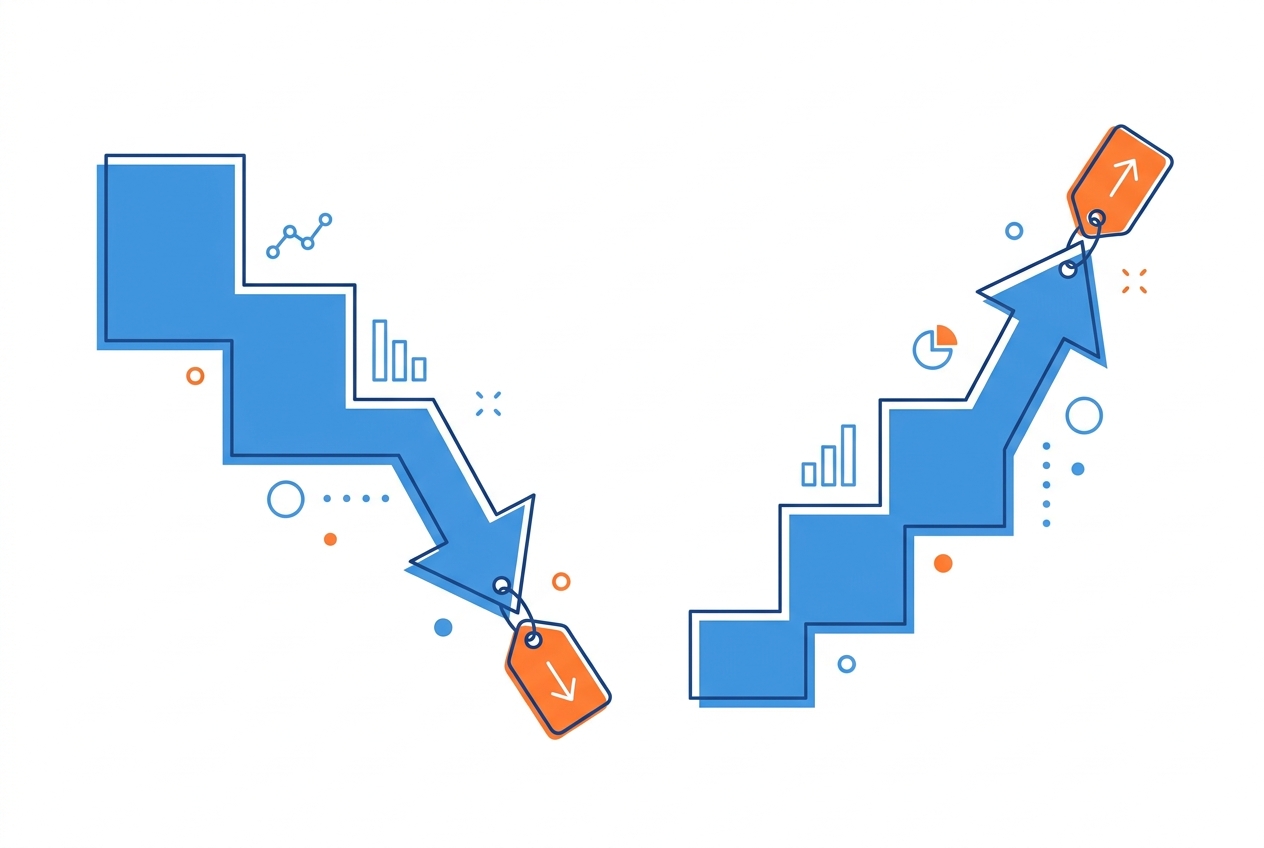
Skimming’s opposite is penetration pricing — launching low to win share fast. They suit different goals, and choosing wrongly is expensive.
Advantages and disadvantages of price skimming
Skimming is powerful but not free of trade-offs. The balance:
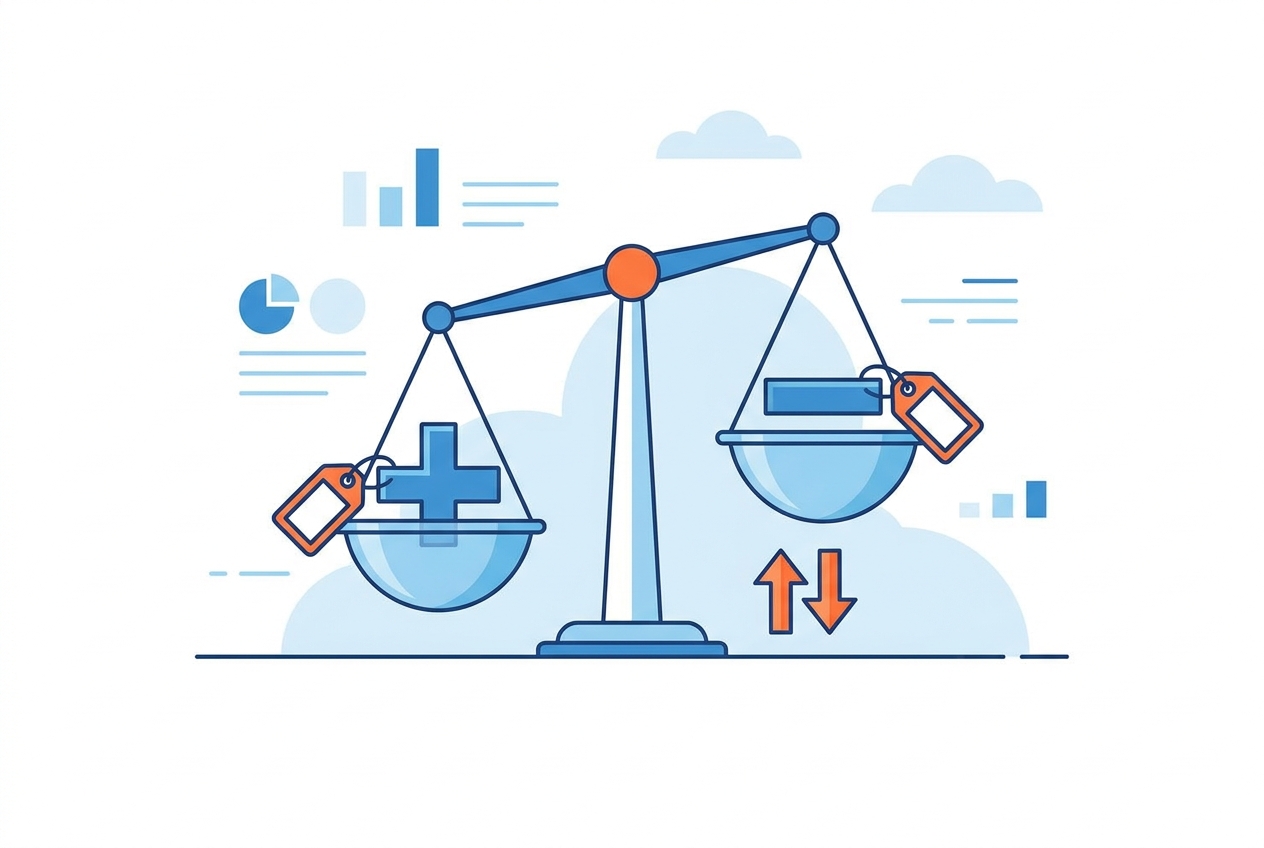
When to use price skimming
Skimming pays off under specific conditions: a genuinely innovative or differentiated product, an early audience that isn’t price-sensitive, and some barrier that stops rivals copying you immediately — a patent, a brand, or a technological lead. Without those, a high launch price just invites competitors to undercut you.
The hardest part is timing the reductions. Drop too early and you leave premium revenue behind; drop too late and a competitor takes the mainstream while you’re still priced for enthusiasts. That timing depends on watching the market closely — which is why teams running a skimming strategy monitor competitor prices to see exactly when rivals enter, and use dynamic pricing to step the price down on schedule without doing it by hand. Skimming is one of several launch options — see our guide to ecommerce pricing strategies for how it sits alongside penetration, value-based, and competitive pricing.
Frequently asked questions
What is price skimming?
Price skimming is a strategy of launching a product at a high price and gradually lowering it, capturing maximum revenue from early adopters first and then reaching more price-sensitive customers over time.
What is an example of price skimming?
Apple’s iPhones are the classic example: each model launches at a premium for enthusiasts, then effectively drops in price as newer models arrive. Games consoles and new TVs follow the same pattern.
What’s the difference between price skimming and penetration pricing?
Price skimming launches high and lowers the price over time to maximize margin per segment; penetration pricing launches low to win market share fast, then may raise the price later. They’re opposite approaches for different goals.
What are the advantages and disadvantages of price skimming?
Advantages: fast cost recovery, a premium brand image, and revenue maximized across segments. Disadvantages: it attracts competitors, only works with limited competition, and can leave early buyers feeling stung by later cuts.
When should you use price skimming?
Use it when you have an innovative, differentiated product, an early audience willing to pay a premium, and a barrier — patent, brand, or tech lead — that stops rivals copying you immediately.
Whether you’re skimming, penetrating, or somewhere in between, the strategy only works if you can see when the market shifts. When you’re ready to time your price moves to what competitors actually do, price monitoring software keeps that picture in front of you.