Paul Morello
Psychological pricing is the practice of setting prices to influence how customers feel about them, not just what they cost. It leans on the quirks in how our brains read numbers — so a price of $9.99 lands as meaningfully cheaper than $10, even though it’s a penny. After fifteen years setting prices in retail and ecommerce, I can tell you these effects are real and measurable, but they’re a scalpel, not a sledgehammer: used with intent they lift conversion, and used carelessly they train customers to distrust you.
This guide covers what psychological pricing is, the biases that make it work, nine strategies you can use (with examples), how real brands apply it, and how to do it in ecommerce without crossing the line.
What you’ll find in this guide
- What is psychological pricing?
- Why psychological pricing works: the biases behind it
- 9 psychological pricing strategies (with examples)
- Psychological pricing examples from real brands
- How to use psychological pricing in ecommerce
- The risks and ethics of psychological pricing
- Frequently asked questions
What is psychological pricing?
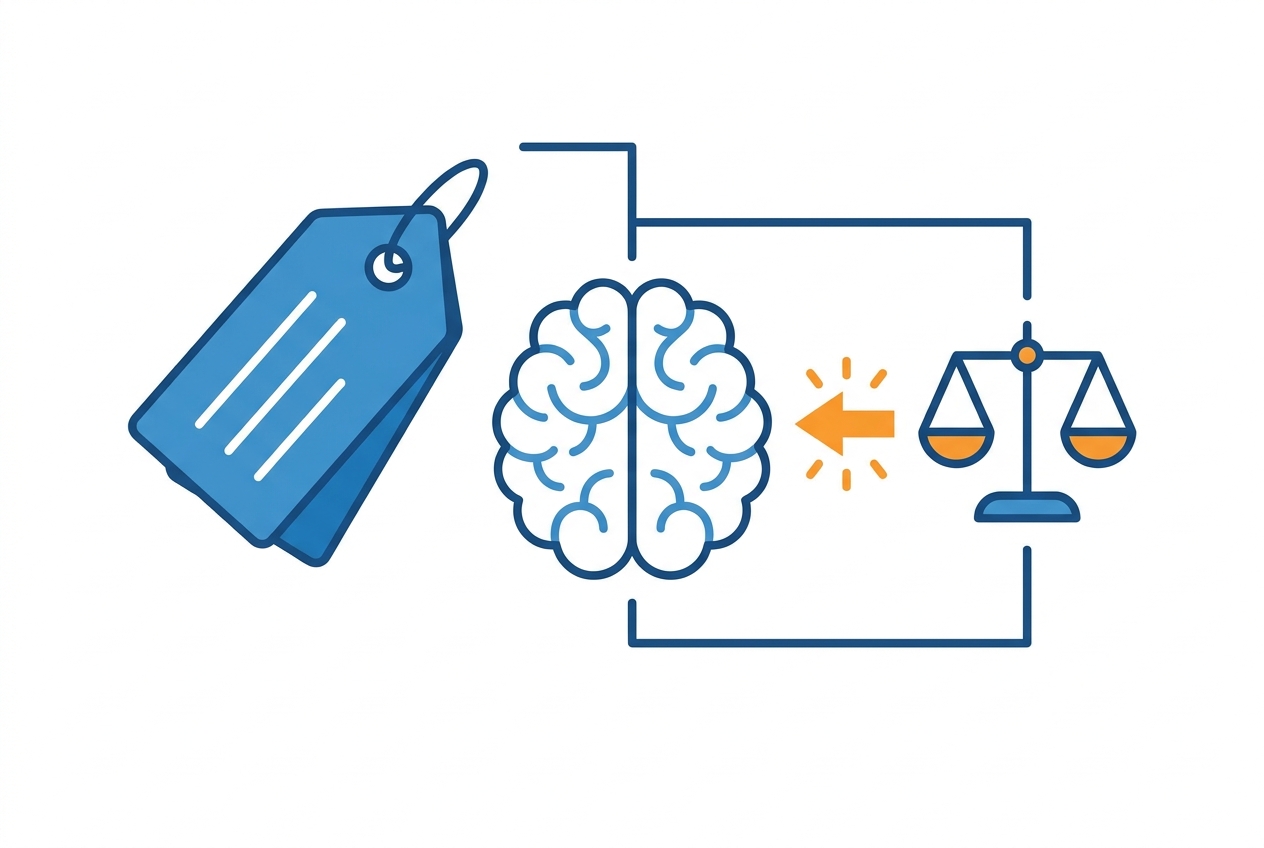
Psychological pricing is a strategy that sets and presents prices to appeal to customers’ emotions and perceptions rather than their pure rational math. The goal is to make a price feel lower, fairer, or more premium than a plain reading of the number would suggest — nudging the buying decision in your favour. It shows up everywhere, from the $4.99 coffee to the three-tier SaaS pricing page, because it works on how people actually process prices: quickly, emotionally, and by comparison.
Why psychological pricing works: the biases behind it
These tactics aren’t magic; they exploit well-documented shortcuts in how we judge numbers. Four do most of the heavy lifting:
- The left-digit effect. We anchor on the leftmost digit, so $3.99 reads as “three-something” and feels closer to $3 than $4. It’s why prices ending in .99 are everywhere.
- Anchoring. The first number we see sets a reference point. Show a $199 option beside a $99 one and the $99 looks like a bargain — the anchor did the work.
- Weber’s law. We perceive differences proportionally, so a $5 gap feels huge on a $20 item and trivial on a $2,000 one. The same discount lands differently depending on the base price.
- The rule of 100. Below $100, a percentage discount (“25% off”) usually feels bigger than the equivalent dollar amount; above $100, the dollar figure (“$50 off”) tends to feel bigger. Frame the discount whichever way looks larger.
Classic experiments back this up: in a well-known study, a women’s clothing item actually sold better at $39 than at a lower $34, purely because of the charm-price ending. The number on the tag changed behaviour more than the money did.
9 psychological pricing strategies (with examples)
Here are the tactics I reach for most, what each does, and where it fits.
Psychological pricing examples from real brands
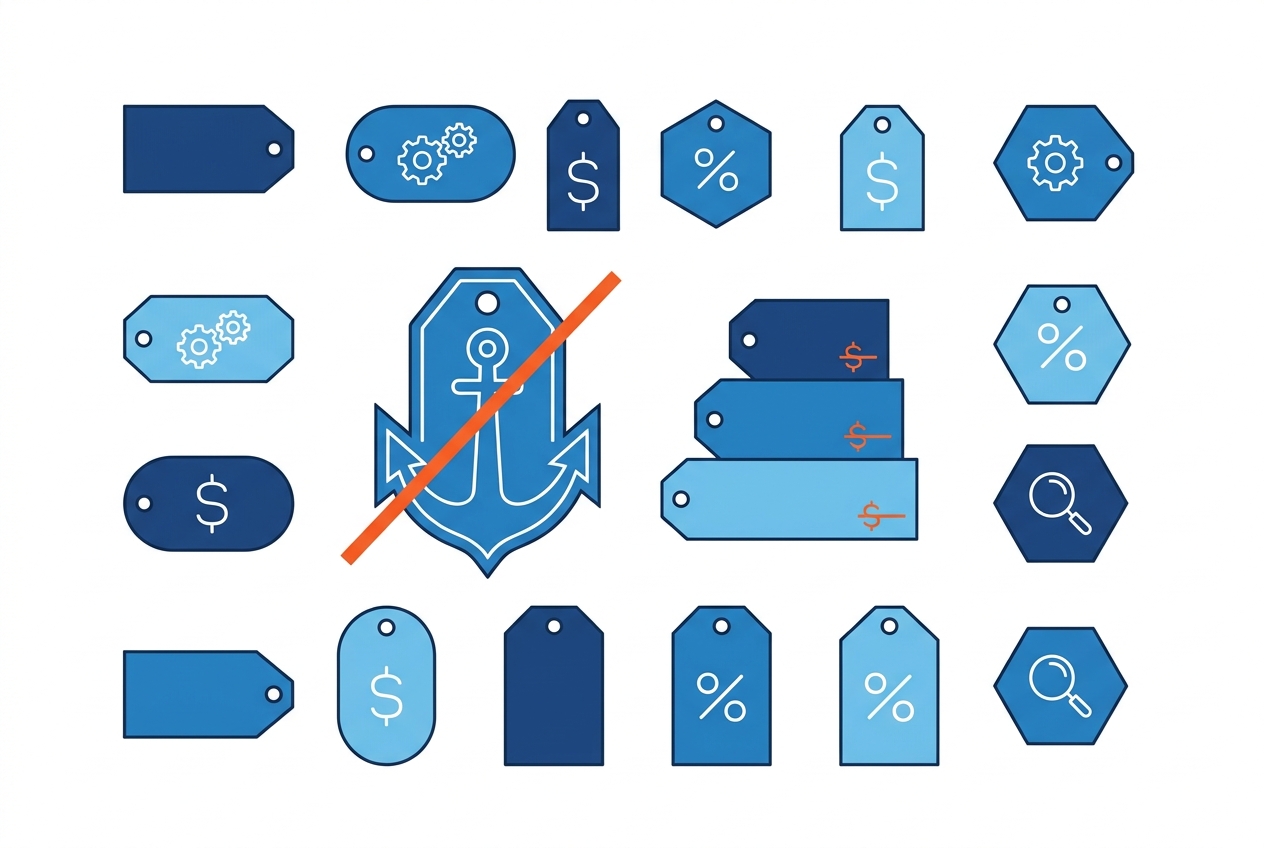
The tactics above aren’t theory — the biggest brands run on them:
- Apple ends even premium products in 9 ($999 for an iPhone), applying charm pricing at the high end while its rounded, minimalist presentation keeps the prestige.
- Amazon leans on bundle pricing and “Frequently bought together” to lift average order value, and anchors deals against a struck-through list price.
- Netflix and most SaaS use tiered pricing (with odd endings like $15.49) so the middle plan feels like the sensible, precise choice.
- The Economist famously used a decoy — a print-only option priced almost identically to print+digital — to push subscribers toward the bundle. Remove the decoy and the choices flip.
How to use psychological pricing in ecommerce
Online, you have advantages a shelf doesn’t: you can test, target, and adjust. Three moves matter most.
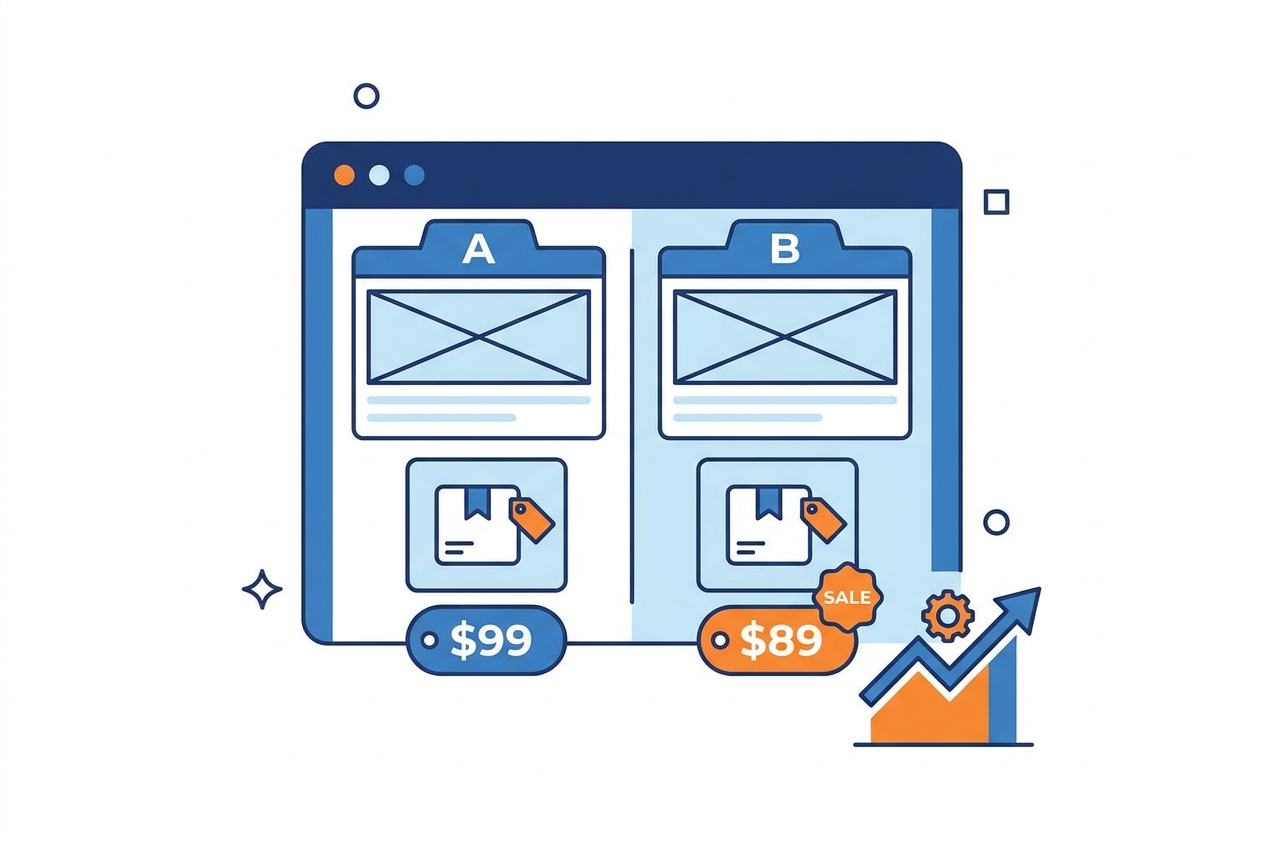
- A/B test the price presentation. Run $19.99 against $20, or a two-tier layout against three, and let conversion and revenue-per-visitor — not opinion — pick the winner.
- Anchor honestly against the market. A “was” price only builds trust if it’s real. Knowing where competitors actually sit lets you anchor credibly, which is why sellers monitor competitor prices continuously.
- Automate the adjustments. Psychological endings and competitive positioning both shift over time; dynamic pricing holds your chosen price points and rules automatically as the market moves, within margins you set.
Psychological pricing is one lever within a wider plan — see our guide to ecommerce pricing strategies for how it fits alongside cost-plus, value-based, and dynamic pricing. Feeding all of it with live data is the job of price intelligence.
The risks and ethics of psychological pricing
Used transparently, psychological pricing is standard, accepted marketing. It tips into a problem when it becomes deception — fake “original” prices, countdown timers that reset, or scarcity that isn’t real. Those tactics win a sale and lose a customer, and in many markets they’re illegal.
Two more cautions. First, overuse dulls the effect: if every product ends in .99 and every banner screams “ends tonight,” shoppers stop believing you. Second, culture matters — in several Asian markets prices ending in 8 (considered lucky) can outperform 9, and some audiences read odd pricing as gimmicky and prefer clean, rounded numbers. Test rather than assume.
Frequently asked questions
What is psychological pricing?
Psychological pricing is setting and presenting prices to influence how customers perceive them — making a price feel cheaper, fairer, or more premium — by tapping into cognitive biases like the left-digit effect and anchoring.
Does psychological pricing actually work?
Yes, when used with intent. Research consistently shows charm prices and anchoring shift behaviour; in one classic study, a product sold better at $39 than at $34 purely because of the price ending. But effects vary by audience and product, so test.
What are the main psychological pricing strategies?
The most common are charm pricing, anchoring, decoy pricing, odd-even pricing, prestige pricing, bundle pricing, BOGO, tiered pricing, and urgency/scarcity.
Is psychological pricing ethical?
When it’s transparent and the prices are genuine, yes — it’s accepted marketing. It becomes unethical (and often illegal) when it relies on deception, such as fake reference prices or false scarcity.
What’s an example of psychological pricing?
Charm pricing is the clearest example: pricing an item at $9.99 instead of $10 so the left-digit effect makes it feel meaningfully cheaper.
Whatever tactics you use, they only pay off when your prices are set against an accurate view of the market. When you’re ready to see how every competitor is priced in real time, price monitoring software keeps that picture in front of you.