Paul Morello
Bundle pricing is the strategy of selling several products or services together as a package, usually for less than the items would cost separately. Also called product bundling, it’s the logic behind the fast-food meal deal, the Netflix-and-more subscription, and Amazon’s “frequently bought together.” Done well, it lifts the average order value and clears slow stock while making the customer feel they got a deal. After fifteen years pricing products in retail and ecommerce, I can tell you bundling is one of the most underused levers there is — a way to sell more and raise perceived value at the same time.
This guide covers what bundle pricing is, its types, real examples, its benefits and drawbacks, and how to price a bundle.
What you’ll find in this guide
- What is bundle pricing?
- Types of bundle pricing
- Bundle pricing examples
- Benefits of bundle pricing
- Drawbacks and when not to bundle
- How to price a bundle
- Frequently asked questions
What is bundle pricing?
Bundle pricing combines two or more products or services into a single package sold at one price — typically lower than buying the items individually. The goal is to make the bundle feel like better value than the sum of its parts, encouraging customers to buy more than they otherwise would. Research on bundling consistently finds it raises both perceived value and average order value, which is why it shows up everywhere from grocery multipacks to enterprise software suites.
Types of bundle pricing
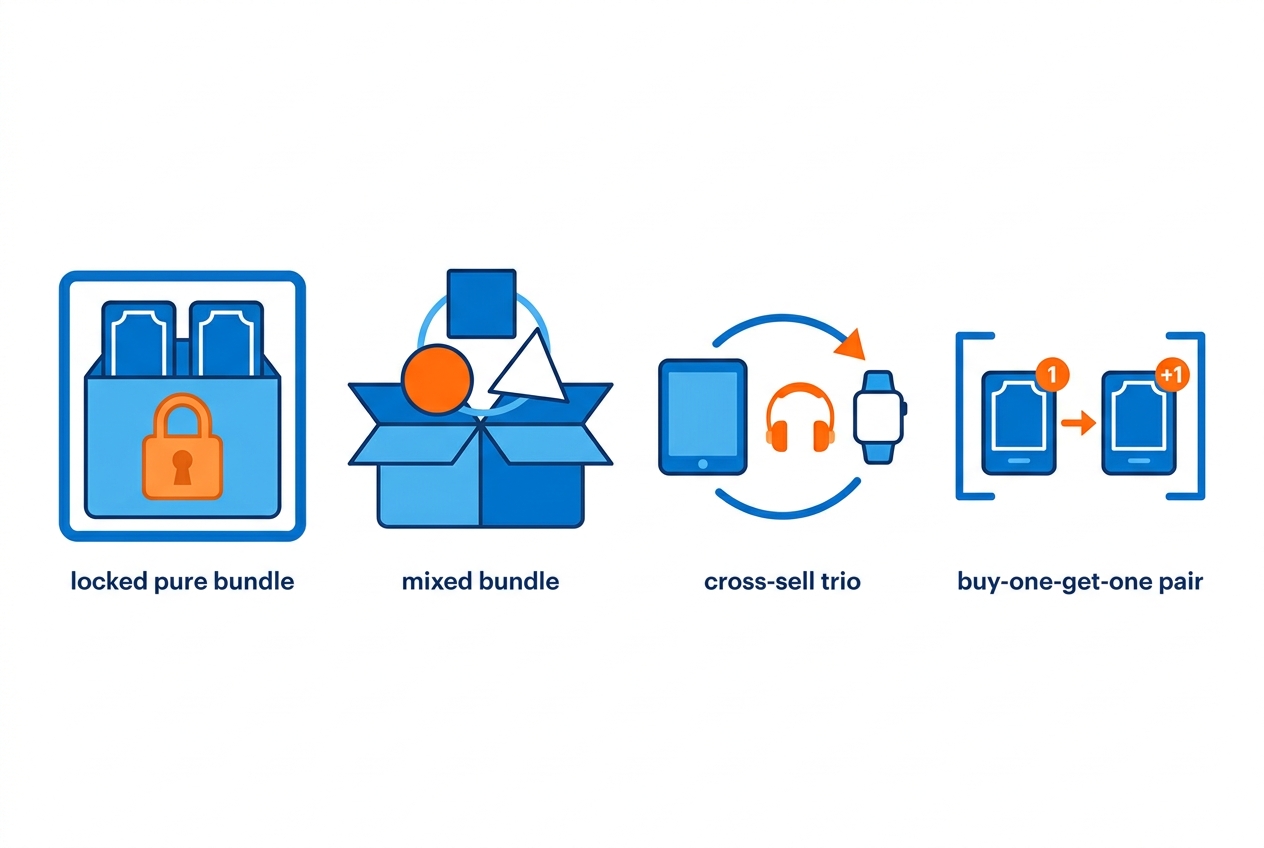
Not all bundles work the same way. The main forms:
Bundle pricing examples
The strategy is easiest to recognise in businesses you use every week:
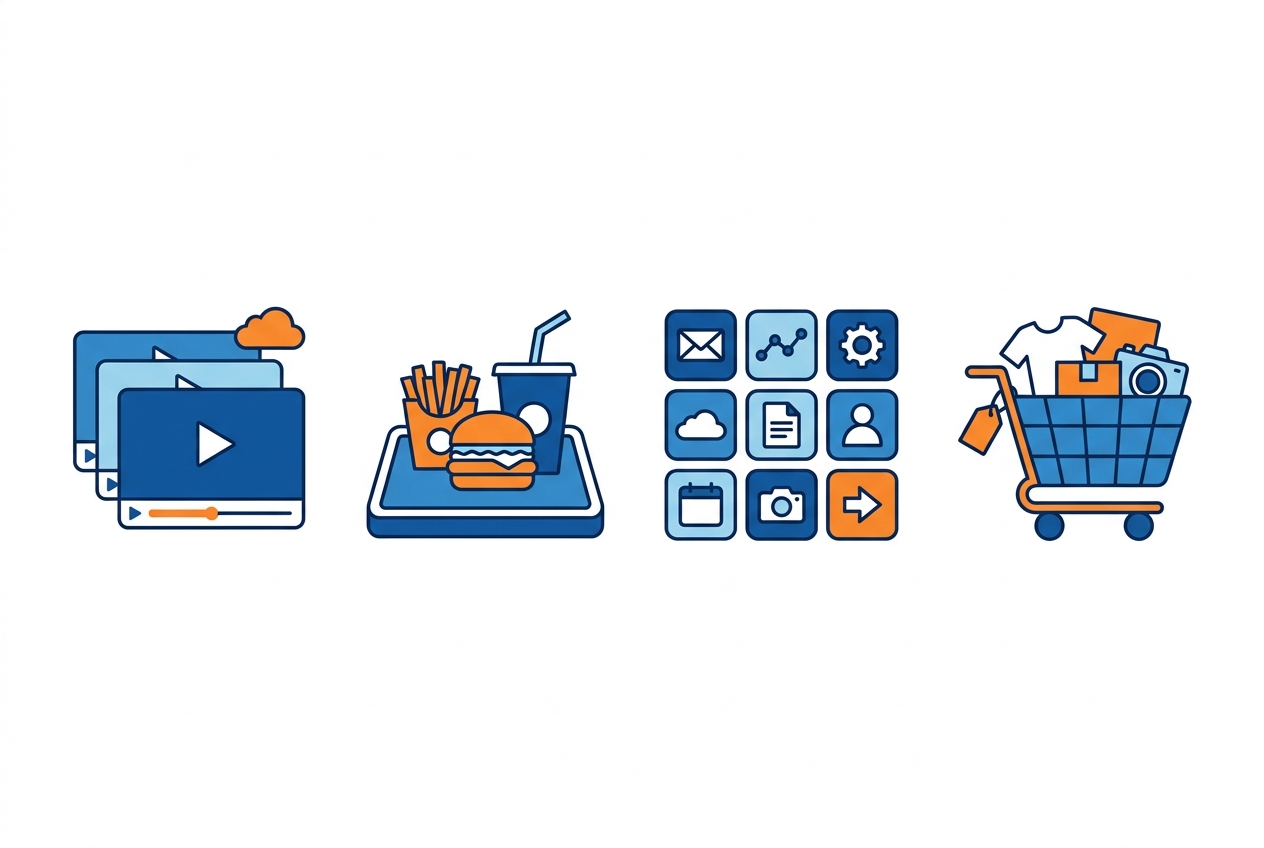
- Streaming — the Disney+/Hulu/ESPN+ bundle and Netflix’s tiered plans package services for less than subscribing separately.
- Fast food — the classic meal deal bundles a main, side, and drink at a price that beats buying each alone.
- Software — Microsoft Office bundles Word, Excel, and PowerPoint into one suite rather than selling each app on its own.
- Ecommerce — Amazon’s “frequently bought together” applies dynamic pricing logic to bundling, nudging complementary items into one purchase to lift the order value.
Benefits of bundle pricing
Bundling earns its place because it works on several fronts at once:
- Higher average order value. Customers buy more per transaction than they planned to.
- Cleared inventory. Slow-moving stock rides along with popular items.
- Simpler decisions. One “good deal” is easier to say yes to than assembling items individually.
- Higher perceived value. The saving versus buying separately makes the whole purchase feel smart.
- Differentiation. A well-designed bundle is harder for competitors to price-match directly.
Drawbacks and when not to bundle
Bundling isn’t free money. Watch for three traps. First, margin dilution — a discount that’s too deep gives away more than the extra volume returns. Second, cannibalization — bundling a high-margin product with a cheap one can drag your best earner’s value down. Third, forced components — customers resent paying for items they don’t want, which is why pure bundling (no à-la-carte option) can backfire. As a rule, bundle complementary items, keep the discount meaningful but not reckless, and make sure every bundle still clears your cost floor.
How to price a bundle
Pricing a bundle is a balance between an attractive saving and a healthy margin. The approach I use:
- Start from the combined value. Add up what the items are worth to the customer, not just their cost.
- Set a visible saving. The bundle should be clearly cheaper than buying separately — enough to feel like a deal, framed against the individual prices.
- Protect the floor. Confirm the bundle price still covers total cost and leaves margin; a discount that dips below that isn’t a promotion, it’s a loss.
- Watch the market. Where competitors price the same items — something you can monitor automatically — tells you how aggressive your bundle needs to be.
Bundling also leans on psychological pricing — the perceived saving does a lot of the persuading — and it’s one of several tactics in our guide to ecommerce pricing strategies. Grounding any of them in real market data is the job of price intelligence.
Frequently asked questions
What is bundle pricing?
Bundle pricing (product bundling) is selling two or more products or services together as a package for a single price, usually lower than buying the items separately, to increase perceived value and average order value.
What is an example of bundle pricing?
A fast-food meal deal is the classic example — a main, side, and drink for less than buying each alone. Streaming bundles (Disney+/Hulu/ESPN+), software suites (Microsoft Office), and Amazon’s “frequently bought together” are others.
What are the types of bundle pricing?
The main types are pure bundling (only sold as a bundle), mixed bundling (bundle or individual), cross-sell bundles of complementary items, BOGO offers, and build-your-own bundles.
What are the benefits of bundle pricing?
Higher average order value, cleared slow-moving inventory, simpler purchase decisions, higher perceived value, and differentiation that’s harder to price-match.
How do you price a bundle?
Start from the items’ combined value, set a saving that’s clearly cheaper than buying separately, make sure the bundle still covers cost and leaves margin, and price relative to what competitors charge for the same items.
A good bundle only works if it’s priced against reality. When you’re ready to see how competitors price the items in your bundles, price monitoring software keeps that picture in front of you in real time.