 Paul Morello
Learning how to sell on eBay is still one of the fastest routes into ecommerce: the audience is already there, listings are free to start, and you can go from signup to your first live listing in an afternoon. But there’s a real gap between listing something and actually selling it — and an even bigger one between selling occasionally and running eBay as a business. After fifteen years in ecommerce, I’ve watched both journeys succeed and fail, and the difference is rarely effort; it’s pricing, product data and process. This guide walks through selling on eBay step by step — setting up, creating listings that rank, understanding the fees, choosing what to sell, and scaling up when it starts to work.
What you’ll find in this guide
- Before you start: what you need
- How to sell on eBay, step by step
- eBay selling fees explained
- What to sell on eBay
- How to actually win the sale
- Selling on eBay as a business
- Frequently asked questions
Before you start: what you need
The entry bar is low. You need to be 18 or older, have a bank account for payouts (eBay pays sellers by bank transfer, not PayPal), and decide between two account types: a personal account for selling your own things occasionally, or a business account if you’re selling inventory you bought to resell, at any real volume. If in doubt, start personal — you can upgrade later — but if you’re a registered business, start as one: it keeps invoicing, taxes and buyer trust clean from day one.
How to sell on eBay, step by step
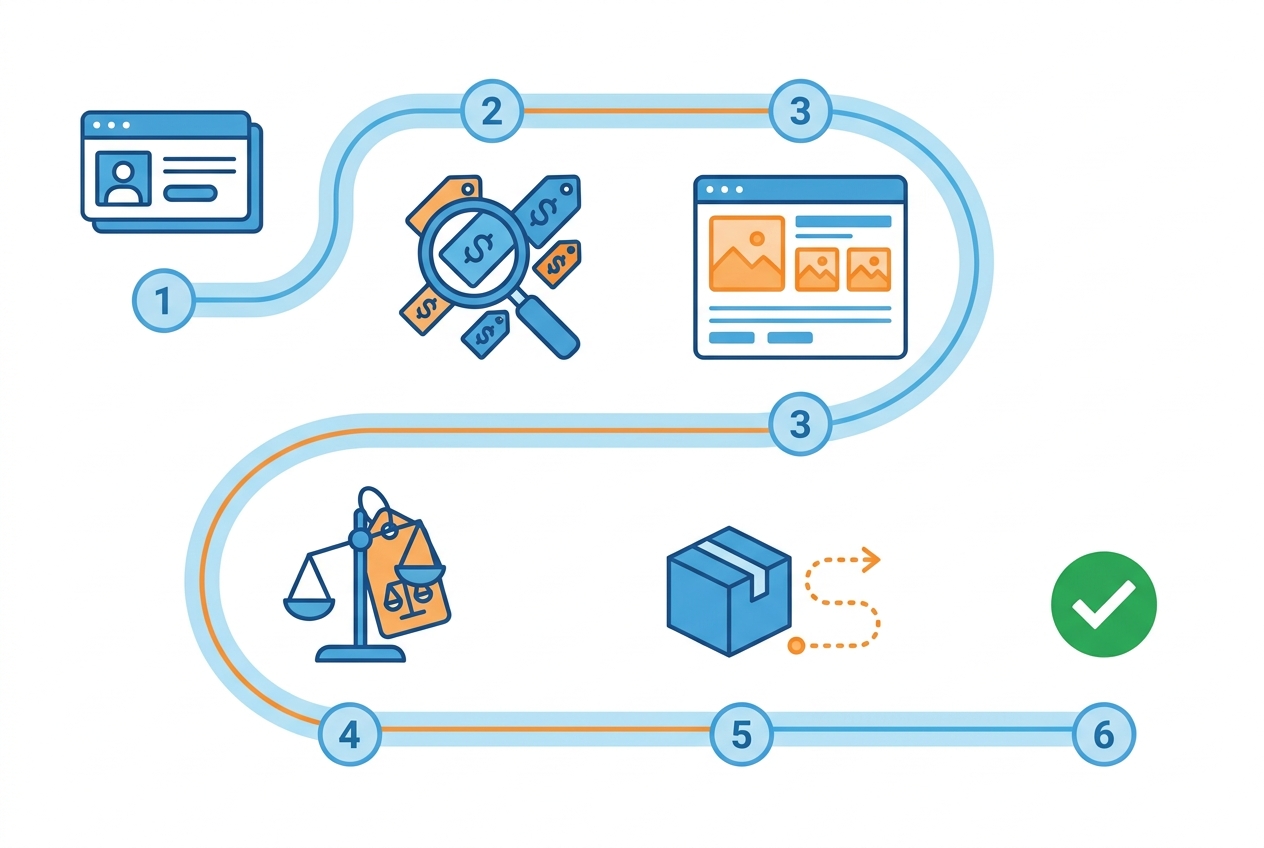
Here’s the whole process, in the order that avoids rework:
- Create your account and verify payouts. Sign up, confirm your identity, and connect the bank account where eBay will send your money. Payouts land on a schedule you choose once sales start.
- Research before you list. Search eBay for the item you’re about to sell and filter by “Sold items.” That shows what identical products actually sold for — not what optimists are asking. This one habit prevents most pricing mistakes.
- Create the listing. Use clear photos on a plain background (up to 24 are free), a title that front-loads what buyers search — brand, model, size, condition — and fill in the item specifics eBay asks for. For branded products you’ll also want the product identifier (GTIN/EAN/UPC); if your products don’t have barcodes yet, here’s how to get EAN codes for your business. Complete item specifics aren’t bureaucracy — they’re how eBay’s search decides you’re relevant.
- Choose the format. “Buy It Now” (fixed price) is the default for almost everything today; auctions still make sense for rare or hard-to-value items where demand should discover the price.
- Price it competitively. Your listing sits next to every other seller offering the same thing, sorted by eBay’s Best Match — where price plus shipping weighs heavily. Price against the sold-listings data, not your hopes.
- Set up shipping. Offer tracked shipping, be honest about handling time, and consider free shipping with the cost built into the price — listings with free shipping tend to convert better and rank better.
- Publish, then manage. Answer questions fast, ship on time, and keep your defect rate near zero. Seller performance feeds directly into how visible your future listings are.
eBay selling fees explained
eBay’s fee structure confuses people mostly because it has layers. The parts that matter:
The practical answer to “how much does it cost to sell on eBay”: listing is effectively free at casual volume, and eBay takes its cut only when you sell. Exact percentages change by category and country, so check eBay’s current fee schedule for yours — and always calculate your margin on the total (item + shipping) since that’s what the final value fee applies to.
What to sell on eBay
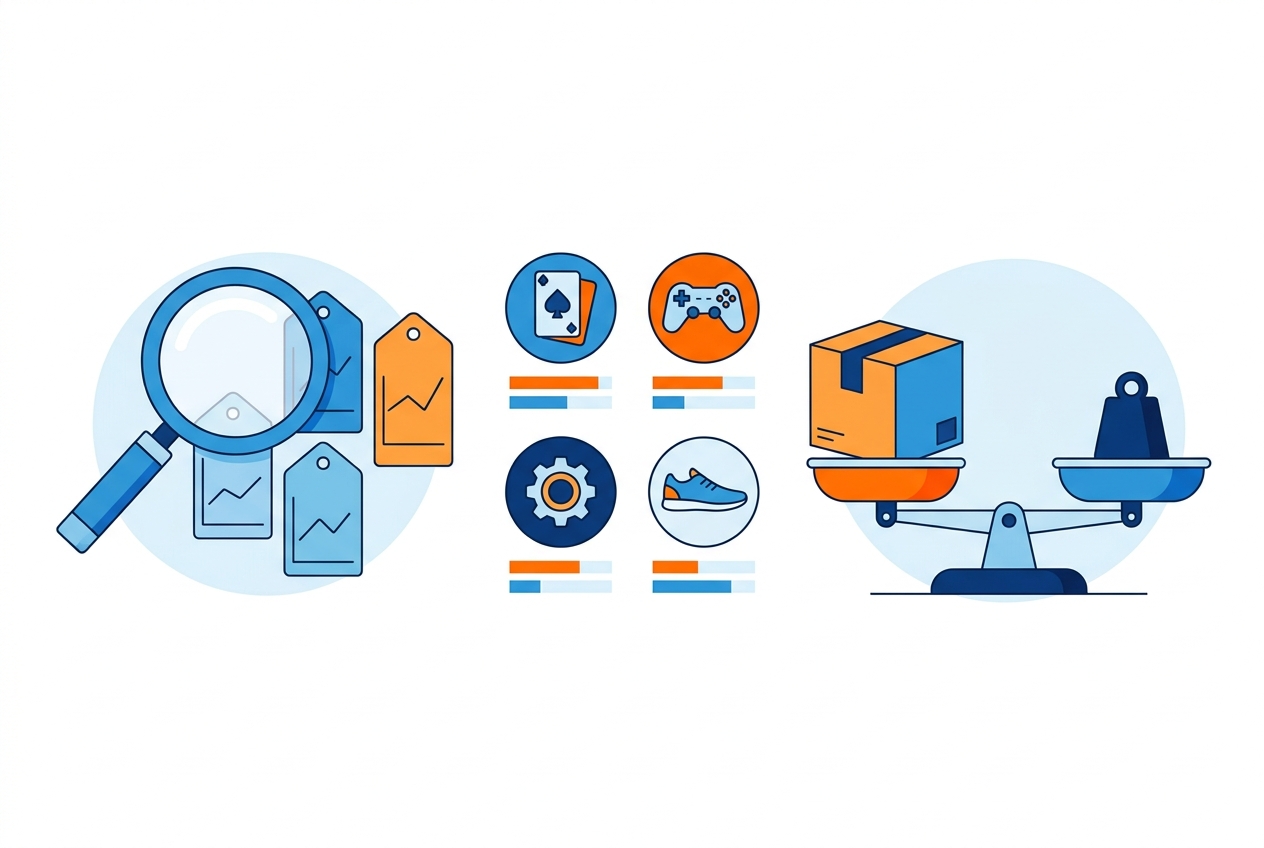
The honest answer: sell what the sold-listings data supports, not what lists are trending. That said, eBay has durable strongholds — collectibles and trading cards, electronics and parts, refurbished goods, car parts and accessories, branded fashion, and niche hobby gear all have deep, permanent demand. The pattern behind them: specific, identifiable products that people search by name, where eBay’s global reach finds the buyer a local shop never would.
Whatever the category, the research method is the same: check sold prices, check how many sellers are competing, and check what the shipping economics look like at your price point. A product that sells for a price you can’t profitably ship at isn’t an opportunity, it’s a trap.
How to actually win the sale
On eBay you’re rarely the only seller of a product — you’re one offer in a ranked list. Winning that list comes down to three things:
- Price plus shipping, versus everyone else. Best Match rewards competitive total cost. A listing $2 above the market with $5 more shipping isn’t “slightly dearer” — it’s invisible.
- Complete, accurate product data. Item specifics, identifiers and honest condition grading decide whether search shows you and whether the buyer trusts you.
- Seller performance. Fast shipping, tracked delivery, quick answers, no drama. Performance compounds: good metrics lift visibility, which lifts sales, which lift metrics.
The first one is where most sellers bleed. Prices on marketplaces move constantly, and checking rivals by hand stops working past a handful of products — which is exactly what marketplace competitor analysis automates: it watches what every rival charges for the products you sell, so you reprice on data instead of guesswork.
Selling on eBay as a business
When eBay stops being a side project, three upgrades matter:
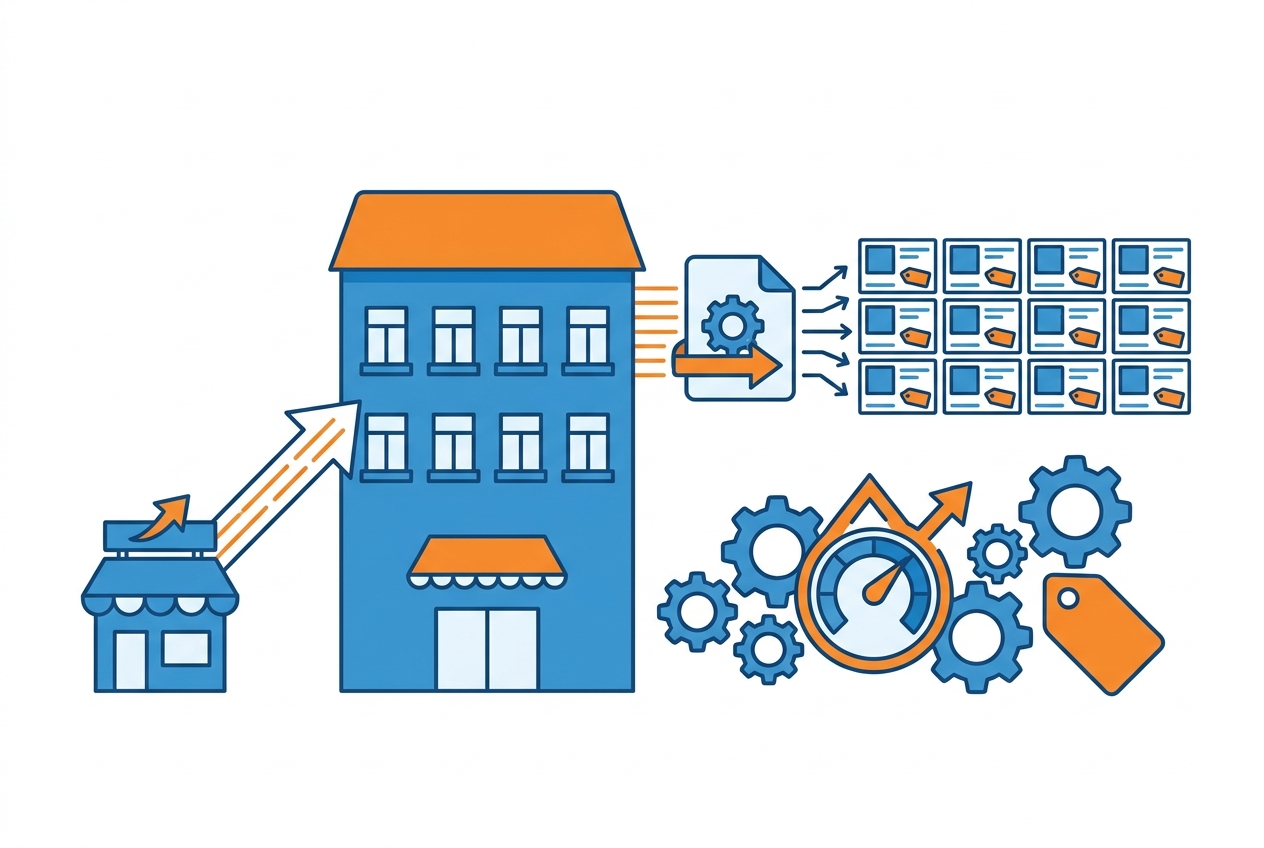
- Switch to a business account and a Store subscription. Lower fees at volume, more free listings, and a storefront that looks like a business.
- Stop creating listings by hand. At catalog scale, listings come from your product data — a structured feed that maps your catalog to eBay’s format, keeps stock synced, and updates prices automatically. That’s the machinery we cover in our eBay product feed guide, and it’s the same product feed that can power Google Shopping, marketplaces and comparison engines from one catalog.
- Automate your pricing. Once you’re monitoring competitors, the next step is letting rules do the repricing — floors you never cross, targets you defend — so your eBay offers stay competitive around the clock. That’s dynamic pricing, and on a marketplace where the cheapest credible offer usually wins, it’s the difference between catching the sale and watching it.
Frequently asked questions
Is it easy to sell on eBay?
Listing is easy — you can be live in under an hour. Selling consistently takes competitive pricing, complete product data and reliable shipping. The mechanics are simple; the discipline is the work.
How old do you have to be to sell on eBay?
18. eBay requires sellers to be legal adults with a verifiable identity and a bank account for payouts.
How much does it cost to sell on eBay?
Casual sellers list free within the monthly allowance (currently 250 listings) and pay a final value fee only when something sells — a category-dependent percentage of the total sale plus a small per-order amount. Business sellers add a Store subscription once volume justifies it.
Can I sell on eBay for free?
You can list for free within the monthly allowance, and you pay nothing until an item sells. There’s no way to avoid the final value fee on a sale — treat it as a cost of goods sold and price accordingly.
What sells best on eBay?
Specific, searchable products with proven sold-listing demand: collectibles and trading cards, electronics and parts, refurbished goods, car parts, branded fashion and niche hobby gear are the durable strongholds. Validate with sold listings before you buy inventory.
How does eBay pay you?
Directly to your bank account, on the payout schedule you choose. Funds from a sale become available after the order is confirmed, with fees already deducted.
eBay rewards the same fundamentals it always has: honest listings, complete product data and a price that stands up to the competition next to it. Start with one good listing, learn from the sold data, and when the volume comes, automate the pricing and the listings before they start automating you — price monitoring is where that shift usually begins.


